Source Heating Dental Wax Knife for Lab, Clinic, and Studio
Find and compare 30 heating dental wax knife options from verified suppliers. Evaluate specifications like voltage, power, and material to select the right specialized equipment for your dental laboratory or clinical needs; compare the available evidence and request quotations based on your requirements.
Key considerations
Products List


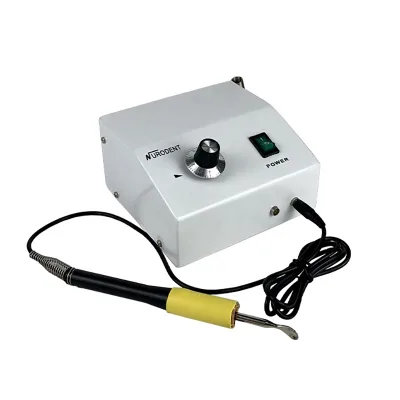


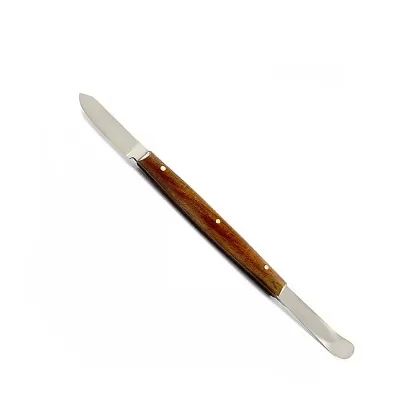


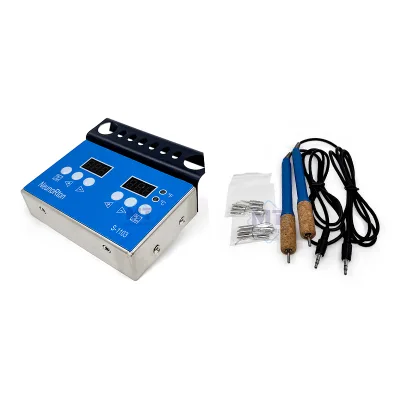
Comprehensive Sourcing Guide
Heating Dental Wax Knife Sourcing Guide
Procuring specialized dental wax heating tools requires a careful balance between functional precision and operational safety. These devices are essential for preparing wax patterns in prosthodontics and orthodontics, allowing technicians to soften and mold wax with accuracy. Buyers must distinguish between simple manual wax knives and electrically heated variants, as the latter offer consistent temperature control critical for delicate dental work. Understanding the specific heating mechanism and material compatibility is the first step in selecting the right equipment for a clinical or laboratory setting.
The market offers a variety of models, ranging from basic electric pots to specialized knives with integrated heating elements. Observations indicate that products often feature metal construction and are designed for non-disposable, long-term use. Some listings highlight dual voltage capabilities, accommodating different regional power standards, while others focus on compact designs for space-constrained workspaces. Buyers should prioritize equipment that aligns with their specific workflow, whether it involves rapid wax melting for impressions or precise carving for custom appliances, ensuring the tool meets both technical and ergonomic requirements.
Product Scope and Observed Listing Signals
Current market listings reveal a diverse range of products categorized under dental wax heating tools, including wax pots and specialized knives. Observed specifications show a price range from approximately $0.62 to $120, reflecting variations in build quality, power output, and brand reputation. Minimum order quantities typically start at one unit, making these tools accessible for individual practitioners as well as larger clinics. The presence of customization options suggests that suppliers can tailor certain features, such as handle design or voltage configurations, to meet specific buyer needs.
Technical attributes observed in listings include metal construction, which ensures durability and heat resistance, and a classification as specialized equipment. Some models are explicitly labeled as un-waterproof, indicating they are intended for dry laboratory environments rather than wet clinical procedures. Conversely, other listings mention waterproof features, highlighting the need for buyers to verify the specific environmental suitability of their chosen device. The condition is consistently listed as new, and delivery times are often short, around five days, facilitating quick procurement for urgent laboratory needs.
Technical Specifications to Verify
Voltage compatibility is a critical technical specification that must be verified before purchase. Listings indicate models supporting 110V/220V or AC100~240V at 50/60Hz, ensuring global usability. Buyers must confirm that the device’s power rating, observed between 10W and 20W, matches their laboratory’s electrical infrastructure to prevent circuit overloads. Additionally, temperature control ranges are vital; some devices operate up to 200℃, while others specify a range of 50-200℃. Accurate temperature regulation prevents wax degradation and ensures consistent material properties for dental applications.
Physical dimensions and weight also influence usability and storage. Observed models vary in size, with some measuring around 15x13x7cm and others specified as 119x159x73mm. Weight ranges from 1kg to 1.1kg, affecting portability and stability during use. Buyers should assess whether the device’s footprint fits their workspace and if the weight provides sufficient stability to prevent tipping. Furthermore, capacity specifications, such as a 4L volume for wax pots, determine the volume of wax that can be processed at once, impacting workflow efficiency for high-volume laboratories.
Compliance and Safety Documentation
Safety standards are paramount when sourcing electrical dental equipment. Listings reference ISO13485, a quality management standard for medical devices, indicating a commitment to consistent manufacturing processes. Buyers should verify that the supplier holds valid certification and that the product meets regional safety regulations. The presence of CE certification in some listings suggests compliance with European health, safety, and environmental protection standards. However, buyers must confirm that the specific model they intend to purchase carries the relevant certifications for their target market.
Instrument classification and warranty terms provide additional layers of assurance. Some devices are classified as Class I instruments, implying lower risk and simpler regulatory requirements. A one-year warranty is commonly offered, covering defects in materials and workmanship. Buyers should review the warranty terms carefully, noting exclusions for misuse or improper voltage usage. Online technical support is frequently listed as an after-sale service, ensuring that users have access to troubleshooting assistance. This support is crucial for maintaining equipment longevity and minimizing downtime in busy dental practices.
Cost Drivers and Commercial Terms
Pricing for heating dental wax knives is influenced by several factors, including material quality, power output, and brand reputation. The observed price range of $0.62 to $120 reflects this variability, with higher-priced items often offering more precise temperature control and durable construction. Buyers should consider the total cost of ownership, including energy consumption and potential maintenance costs, rather than just the initial purchase price. Customization options may also impact cost, so buyers should clarify any additional fees for tailored specifications before finalizing orders.
Commercial terms such as minimum order quantity and delivery time affect procurement planning. While MOQs can be as low as one unit, bulk purchases may offer discounts. Delivery times are typically short, around five days, allowing for rapid restocking. Buyers should also consider packaging, which is often described as solid cartons, ensuring safe transit. Clear communication regarding shipping costs and import duties is essential to avoid unexpected expenses. Understanding these commercial terms helps buyers budget accurately and manage inventory effectively.
Supplier Qualification and Quality Control
Evaluating supplier qualifications is essential for ensuring product reliability. Buyers should verify the supplier’s manufacturing capabilities and quality control processes. Listings indicate origins in China, including specific regions like Tianjin and Henan, which are known for medical device manufacturing. Buyers should request documentation of the supplier’s quality management systems, such as ISO13485 certification, to ensure consistent product quality. Additionally, checking the supplier’s reputation and history in the dental equipment market can provide insights into their reliability and customer service standards.
Quality control measures should include pre-shipment inspections and testing of electrical components. Buyers should inquire about the supplier’s testing protocols for voltage stability, temperature accuracy, and material durability. Requesting sample units before placing large orders allows buyers to assess build quality and performance firsthand. Suppliers offering online technical support demonstrate a commitment to customer satisfaction, which is a positive indicator of their service quality. Establishing a clear communication channel with the supplier ensures that any issues can be addressed promptly and effectively.
Long-Term Procurement Checks
Regular maintenance and proper usage are key to extending the lifespan of heating dental wax knives. Buyers should establish a routine maintenance schedule, including cleaning and inspection of heating elements and electrical connections. Following manufacturer guidelines for temperature settings and usage duration prevents premature wear and potential safety hazards. Keeping a record of usage and maintenance activities helps track the equipment’s condition and plan for timely replacements or repairs. This proactive approach minimizes downtime and ensures consistent performance in dental procedures.
Re-evaluating procurement needs periodically allows buyers to adapt to changing technological standards and clinical requirements. As new models with improved features emerge, buyers should assess whether upgrading their equipment offers significant benefits. Staying informed about industry trends and regulatory updates ensures compliance and optimal performance. Building a long-term relationship with reliable suppliers can facilitate better pricing, priority support, and access to new products. Continuous evaluation of procurement strategies helps dental practices maintain high standards of care and operational efficiency.
FAQs
What is the power consumption of the dental wax pot?
The dental wax pot typically consumes 10W to 20W of power. This low energy usage ensures efficient operation during dental procedures. The device supports both 110V and 220V voltage inputs, making it adaptable to various regional electrical standards. This versatility allows clinics worldwide to use the equipment without needing additional transformers or adapters for safe operation.
Can the dental wax knife be customized for specific needs?
Yes, customization is available for the dental wax knife. Buyers can request specific modifications to meet unique clinical requirements. This flexibility ensures that the specialized equipment aligns perfectly with individual practice workflows. Custom options may include adjustments to handle design or material specifications, providing a tailored solution for precise dental wax manipulation tasks.
What is the lead time for delivery of this equipment?
The standard delivery lead time for this dental equipment is five days. This rapid turnaround supports efficient clinic operations and minimizes downtime. Buyers can expect prompt processing and shipping once the order is confirmed. This quick availability ensures that dental professionals can quickly integrate the new specialized tools into their daily practice without significant delays.
What certifications does the dental wax pot hold?
The dental wax pot holds CE certification, indicating compliance with European health, safety, and environmental protection standards. This certification assures buyers of the product's quality and regulatory adherence. Additionally, the equipment meets ISO13485 safety standards for medical devices. These credentials provide confidence in the product's reliability and suitability for professional dental environments.
What is the maximum temperature the wax pot can reach?
The dental wax pot can reach temperatures up to 200 degrees Celsius. This range allows for effective melting of various dental waxes. The device maintains stable heat distribution for consistent results. Some models support a range of 50 to 200 degrees Celsius, offering precise control. This capability ensures optimal wax consistency for accurate dental impressions and model creation.
What is the warranty period for the dental wax pot?
The dental wax pot comes with a one-year warranty. This coverage protects buyers against manufacturing defects and ensures product reliability. Online technical support is also provided for troubleshooting assistance. The warranty period offers peace of mind, allowing clinics to operate confidently. Buyers can rely on manufacturer support to resolve any issues that may arise during the first year of use.